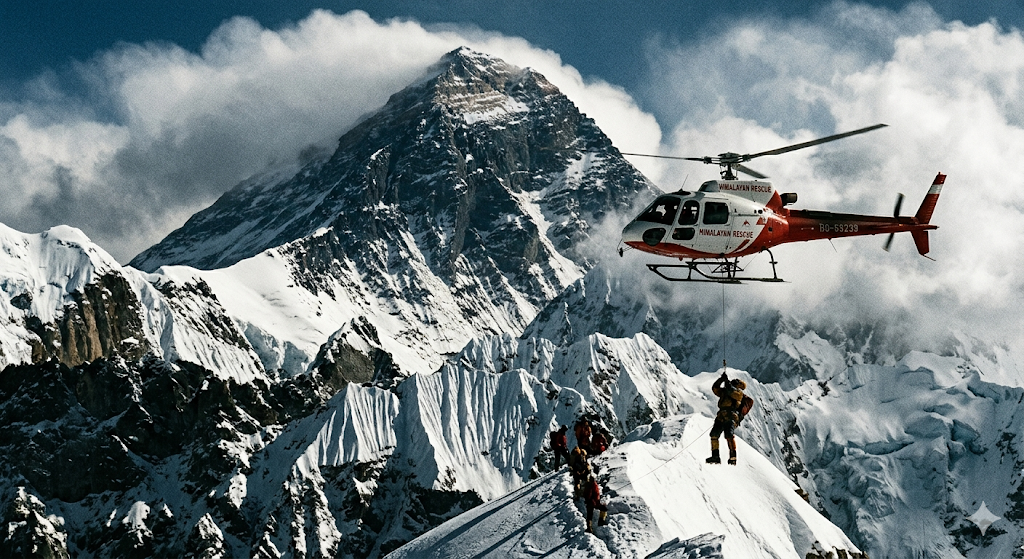
The world’s highest mountain is facing one of the most disturbing controversies in modern adventure tourism after investigators uncovered allegations that parts of Nepal’s Everest trekking industry were linked to a coordinated insurance fraud network involving fake medical emergencies, unnecessary helicopter evacuations and manipulated rescue claims worth millions of dollars. What has shocked many in the global climbing community is not only the financial scale of the alleged scam, but the accusation that some climbers may have been deliberately made ill to trigger profitable emergency rescues.
According to findings examined by authorities and insurance investigators, certain trekking operators and associated networks are suspected of exploiting the fear surrounding altitude sickness, one of the deadliest risks faced by Everest climbers. Reports allege that some tourists were covertly given substances capable of causing stomach distress, creating symptoms that resembled serious altitude-related illness. Once panic and exhaustion set in at extreme elevations, climbers were reportedly pressured into emergency helicopter evacuations that were later billed to international insurance providers at highly inflated costs.
The issue matters far beyond mountaineering because Everest tourism has become a major economic engine for Nepal. Every climbing season attracts hundreds of foreign climbers, guides, porters, logistics companies and aviation services. The mountain supports thousands of jobs directly and indirectly. When allegations of organized fraud emerge inside such a critical industry, the reputational damage can affect tourism confidence, insurance costs and international trust in the country’s adventure sector.
Investigators examining the alleged scam say the operation extended beyond isolated rescue exaggeration. Authorities reportedly uncovered patterns involving trekking agencies, helicopter operators and certain medical institutions accused of generating paperwork that supported questionable evacuation claims. Flight records, diagnosis documents and insurance submissions are being reviewed to determine whether emergency rescues were medically necessary or commercially manufactured. Some companies are suspected of filing repeated evacuation cases under circumstances that investigators now consider suspicious.
The financial incentives behind high-altitude rescues help explain why the problem allegedly grew so large. Helicopter evacuations on Everest are expensive because of altitude limitations, weather risk and specialized aviation requirements. Insurance companies covering wealthy foreign climbers often approve emergency extractions quickly to avoid life-threatening delays. That urgency creates a system vulnerable to abuse if local operators know that insurers are unlikely to challenge rescue requests during a medical crisis.
An important detail often overlooked in public discussion is how difficult it can be for climbers themselves to judge their physical condition at extreme altitude. Acute mountain sickness can begin with symptoms that seem deceptively ordinary: nausea, headaches, fatigue and confusion. At elevations above 5,000 meters, even experienced trekkers may struggle to distinguish between temporary discomfort, food-related illness and potentially fatal altitude complications. This uncertainty makes climbers heavily dependent on guides and medical recommendations during emergencies.
The allegations also expose a hidden tension inside Everest tourism itself. Climbing the mountain has become increasingly commercialized over the last two decades. Expeditions that once involved elite mountaineers now attract a much broader group of paying clients, many with limited high-altitude experience. As competition between trekking operators intensified, the pressure to maximize profits reportedly created conditions where ethical standards weakened in parts of the industry.
Insurance companies have now started tightening scrutiny around Himalayan rescue claims. Several providers are reportedly reviewing evacuation approval systems, medical verification standards and billing procedures connected to Nepal-based operations. Some insurers may introduce stricter documentation requirements, mandatory second medical opinions or real-time GPS verification for helicopter rescues. While such reforms may reduce fraud risk, they could also make legitimate emergency responses slower and more complicated for genuinely ill climbers.
For ordinary travelers, the controversy carries an important lesson about adventure tourism safety. Many climbers assume that booking through a licensed trekking company guarantees ethical practices, but the Everest case highlights the need for deeper research before choosing expedition operators. Checking rescue histories, independent reviews, insurance compatibility and medical protocols has become increasingly important in an industry where life-threatening conditions already leave little room for error.
The broader impact may reach beyond Nepal. Adventure tourism worldwide relies heavily on trust between guides, rescue teams, insurers and travelers. If fraud investigations reveal systematic abuse of emergency evacuation systems, insurance premiums for extreme expeditions could rise globally. Smaller ethical operators may also suffer because scandals tend to damage entire sectors rather than only individual companies.
Another insight emerging from the case is how modern financial crime can hide inside legitimate industries. Unlike traditional scams involving fake businesses, this alleged network reportedly used real helicopters, actual tourists and genuine rescue infrastructure. The fraud, investigators believe, may have depended on exaggerating or manufacturing emergencies inside a system where urgency discourages scrutiny.
Authorities in Nepal continue examining the allegations, while tourism officials face growing pressure to restore confidence before future climbing seasons. International insurers, expedition organizers and rescue operators are expected to push for tighter oversight, stronger medical transparency and stricter rescue auditing mechanisms.
For decades, Everest symbolized endurance, discipline and human ambition. The current investigation has added a darker dimension to that image, raising concerns that one of the world’s most iconic adventures may also have become vulnerable to organized exploitation operating far above the clouds.
About the Author
Ashutosh Raj is a journalist and independent writer known for clear, fact-based reporting and sharp editorial judgment. His work focuses on delivering accurate information with original analysis, structured storytelling, and strong attention to credibility. He writes with a commitment to clarity, relevance, and meaningful public understanding
About the Author